
IDPA Rules Guide 2026 | Scoring, Safety & Procedures
IDPA (International Defensive Pistol Association) emphasizes practical defensive shooting skills. Understanding the rules helps you compete confidently and avoid penalties.
IDPA Scoring Basics
Points Down System
IDPA uses "points down" scoring. Every stage has a set par time based on target count, and your penalties add to your raw time.
Target scoring zones:
- -0 zone (center): No penalty
- -1 zone: 1 second added
- -3 zone: 3 seconds added
- Miss: 5 seconds added
Your score = Raw time + Points down + Procedural penalties
Lower is better.
Hit Factor vs Points Down
Unlike USPSA's hit factor system, IDPA scoring is time-plus. Every second matters equally, whether it's shooting faster or reducing points down.
Example:
- Shooter A: 15.00 seconds, 0 points down = 15.00 final
- Shooter B: 14.00 seconds, 2 points down = 16.00 final
Shooter A wins despite being slower, because accuracy saved more time than speed.
Procedural Penalties
Procedurals are 3-second penalties for rule violations. Common procedurals:
Cover Violations
Using cover is fundamental to IDPA. When engaging targets from a position of cover:
- At least 50% of your upper body (head and torso) must be behind cover
- At least 100% of your lower body must be behind cover
- You must engage targets in tactical priority (closest first, or as marked)
Penalty: 3 seconds per occurrence
Tactical Sequence Violations
IDPA requires engaging targets in tactical sequence—generally near to far, or as specified by stage design.
Penalty: 3 seconds per target engaged out of order
Failure to Do Right (FTDR)
A catch-all for actions that violate the defensive spirit of IDPA:
- Running past available cover without engaging threats
- Exposing yourself unnecessarily
- Breaking the 180-degree safety plane
Penalty: 3 seconds per occurrence
Reloading Violations
IDPA has specific reload rules:
- Slide-lock reloads: Reload when the gun runs empty (slide locks back)
- Tactical reloads: Reload behind cover, retain the partial magazine
- Reload with retention: Keep the partial mag, but can be done in the open
Reloading in the open when cover is available = procedural.
Safety Rules
The 180 Rule
Never break the 180-degree plane (the line perpendicular to the backstop at your position). Pointing your gun uprange, even unintentionally, is a disqualification (DQ).
Finger Discipline
Keep your finger outside the trigger guard:
- During movement
- During reloads
- Anytime you're not actively engaging a target
Finger in trigger guard during movement = DQ
Muzzle Discipline
Never point the muzzle at any part of your body. This includes:
- During the draw
- During reholstering
- During movement
Sweeping yourself = DQ
Unloaded Start Violations
Some stages start with a loaded gun in the holster. Others require loading on the start signal. Follow stage briefings exactly.
Dropped Gun
If you drop your gun at any point = DQ
Accidental Discharge
Any unintentional shot:
- Into the ground near your feet
- Into a wall or ceiling
- Anywhere except a target you're engaging
= DQ
Stage Procedures
Before the Stage
- Listen to the stage briefing – The Safety Officer (SO) explains target engagement order, required reloads, and any special procedures
- Watch other shooters – Learn from what they do (and don't do)
- Plan your stage – Know your shooting positions, reload points, and movement path
The Start Position
Common IDPA start positions:
- Hands relaxed at sides
- Hands at surrender (above shoulders)
- Seated or in a vehicle
- Performing a task (holding a prop, hands on table)
Wait for the start signal (beep) before moving or drawing.
Engaging Targets
- Identify threats vs non-threats – IDPA uses threat (shoot) and non-threat (don't shoot) targets
- Engage in tactical priority – Near to far, or as briefed
- Use cover – At least 50% of upper body behind available cover
- Confirm hits – Make sure each target has required hits before moving
Common Target Requirements
- 2 rounds per threat – Standard unless briefed otherwise
- Head shots – Sometimes required (hard cover or specific briefing)
- -0 zone requirement – Some stages require all hits in the -0 zone
After Shooting
When finished:
- Keep the muzzle pointed downrange
- Wait for the SO's commands
- Follow "if finished, unload and show clear" instructions
- Reholster only when told "range is clear"
Equipment Rules Summary
Concealment Required
All IDPA shooting requires a concealment garment:
- Vest, jacket, untucked shirt
- Must cover the holster and magazine carriers
- Draw must come from under concealment
Holster Requirements
- Strong side, behind the hip bone
- Outside the waistband (IWB allowed in some divisions)
- No race holsters or drop offsets
- Must retain the gun during normal movement
Division-Specific Rules
Each division has equipment limits. See our IDPA Divisions Guide for:
- Capacity limits
- Trigger type requirements
- Optic allowances
- Size restrictions
Common Mistakes to Avoid
1. Cover Violations
Problem: Exposing too much of your body while engaging targets.
Fix: Practice using cover at home. Visualize where your cover would be and stay behind it.
2. Tactical Sequence Errors
Problem: Engaging targets out of order (far to near, skipping targets).
Fix: Identify target order during walkthrough. Number them mentally.
3. Reload Location Errors
Problem: Reloading in the open when cover is available.
Fix: Plan reloads during movement to the next position. Reload behind cover.
4. Finger on Trigger During Movement
Problem: Keeping finger in trigger guard while moving.
Fix: Practice dry fire movement drills. Finger comes off trigger the instant you stop shooting.
5. Ignoring Non-Threats
Problem: Accidentally shooting a non-threat target.
Fix: Identify ALL targets during walkthrough—both threats and non-threats.
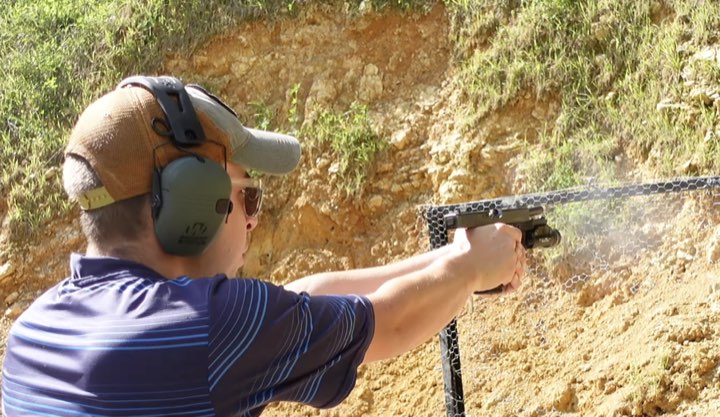
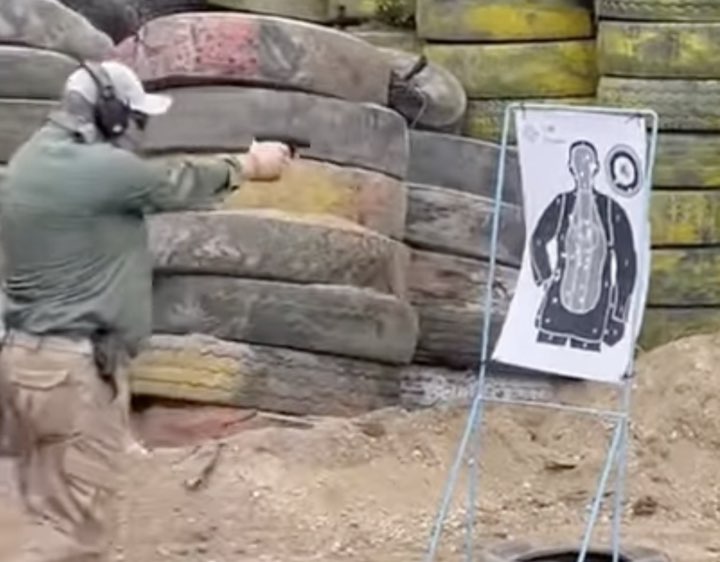
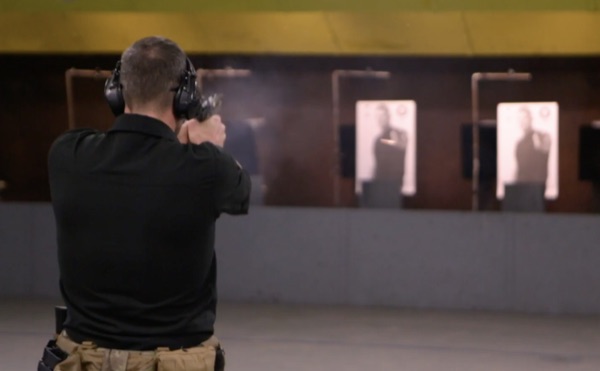
Drills for IDPA
Practice these drills to build IDPA-ready skills:
Frequently Asked Questions
What happens if I forget the stage instructions?
Ask the SO to repeat the briefing before you start. It's better to ask than to guess and earn procedurals.
Can I reshoot a stage if I get a procedural?
No. You shoot each stage once. Procedurals are part of your score.
What's the penalty for shooting a non-threat?
Usually -5 seconds per hit on a non-threat target, plus possible procedurals depending on stage design.
Do I need to count my rounds?
Yes. IDPA requires tactical awareness of your ammo status. Plan reloads based on target count.
What if I have an equipment failure?
You may be able to reshoot depending on the nature of the failure. Ask the Match Director.
Related Guides
- IDPA Divisions Explained – All IDPA divisions compared
- USPSA vs IDPA – Which sport is right for you?
- Dry Fire Training Guide – Practice at home
- Training for IDPA – Complete training guide