
USPSA Classifier Guide 2026 | Par Times, Tips & Calculator
USPSA classifiers are standardized stages used to rank shooters from Unclassified through Grand Master. Understanding how classifiers work—and practicing with the right par times—is key to moving up in classification.
USPSA Classification Percentages
Your classification is determined by your highest 4 classifier scores:
| Classification | Percentage of HHF | What It Means |
|---|---|---|
| Grand Master (GM) | 95%+ | Elite level, top ~1% of shooters |
| Master (M) | 85-94.99% | Expert competitor, wins local matches |
| A Class | 75-84.99% | Strong shooter, competitive at area matches |
| B Class | 60-74.99% | Competent shooter, solid fundamentals |
| C Class | 40-59.99% | Developing shooter, learning stage strategy |
| D Class | 2-39.99% | New competitor, focusing on safety and basics |
How Classifiers Are Scored
Classifiers use hit factor scoring:
Hit Factor = Points ÷ Time
Your hit factor is compared to the High Hit Factor (HHF) for that stage:
Classification % = (Your HF ÷ HHF) × 100
For example, if a classifier has an HHF of 8.0 and you shoot it with a hit factor of 6.0:
- Classification % = (6.0 ÷ 8.0) × 100 = 75% (A Class run)
Popular USPSA Classifiers
Here are some of the most commonly shot classifiers and what to practice:
CM 99-11 "El Presidente"
The classic classifier. Start facing uprange, hands above shoulders. On signal, turn, draw, and engage 3 targets with 2 rounds each, reload, and engage again with 2 rounds each (12 rounds total).
Key skills: Turn-and-draw, transitions, standing reload
Par times to practice:
- D Class: 10+ seconds
- C Class: 8-10 seconds
- B Class: 6-8 seconds
- A Class: 5-6 seconds
- Master: 4.5-5 seconds
- GM: Under 4.5 seconds
CM 03-09 "On The Move"
Two strings engaging 4 targets with 2 rounds each while moving through the shooting area. 16 rounds total.
Key skills: Shooting on the move, target transitions, accuracy under movement
Par times to practice:
- C Class: 12-14 seconds
- B Class: 10-12 seconds
- A Class: 8-10 seconds
- Master: 7-8 seconds
CM 06-03 "Can You Count"
Close-range speed stage testing draw, shooting speed, and accuracy under pressure.
Key skills: Pure speed, trigger control
How to Improve Your Classification
1. Practice Classifier-Specific Skills
Most classifiers test a core set of skills:
- Draw to first shot – Critical for almost every classifier
- Transitions – Moving between targets efficiently
- Reloads – Standing and on-the-move
- One-hand shooting – Strong and weak hand
- Movement – Entering and exiting positions
Use a par timer to set target times and track your progress on each skill.
2. Dry Fire with Par Times
You can practice classifier stage breakdowns at home without live fire:
- El Presidente turn-and-draw: Practice the turn and draw to first shot. Par time: 1.5s for A class
- Reload drills: Standing reload to first shot. Par time: 2.0s for A class
- Position entries: Step into position and engage. Par time varies by classifier
3. Know Your Splits
Typical split times by classification:
| Classification | Typical Splits | Draw to First Shot |
|---|---|---|
| D Class | 0.40-0.50s | 2.0s+ |
| C Class | 0.30-0.40s | 1.5-2.0s |
| B Class | 0.25-0.30s | 1.3-1.5s |
| A Class | 0.20-0.25s | 1.0-1.3s |
| Master | 0.18-0.22s | 0.9-1.1s |
| GM | 0.15-0.18s | Under 0.9s |
4. Shoot Classifiers Intentionally
Don't just shoot classifiers when they appear at matches. Approach them strategically:
- Study the stage before you shoot
- Plan your stage strategy (reload timing, foot positions)
- Visualize the run before stepping to the line
- Commit to your plan during the run
5. Track Your Classifier History
USPSA tracks your classifier scores online. Review your history to identify:
- Which skills need work (draws, reloads, accuracy)
- Which classifiers you shoot well vs. poorly
- Your improvement trend over time
USPSA Classifier Calculator
To calculate what time you need for a specific classification:
Required Time = Points ÷ (HHF × Target %)
Example: For an A class run (75%) on a classifier with HHF 8.0 and maximum 60 points:
- Required HF = 8.0 × 0.75 = 6.0
- Required Time = 60 ÷ 6.0 = 10.0 seconds
If you shoot 2 points down (58 points):
- Required Time = 58 ÷ 6.0 = 9.67 seconds
The math shows why accuracy matters—points down cost you significant time.
Drills for Classifier Improvement
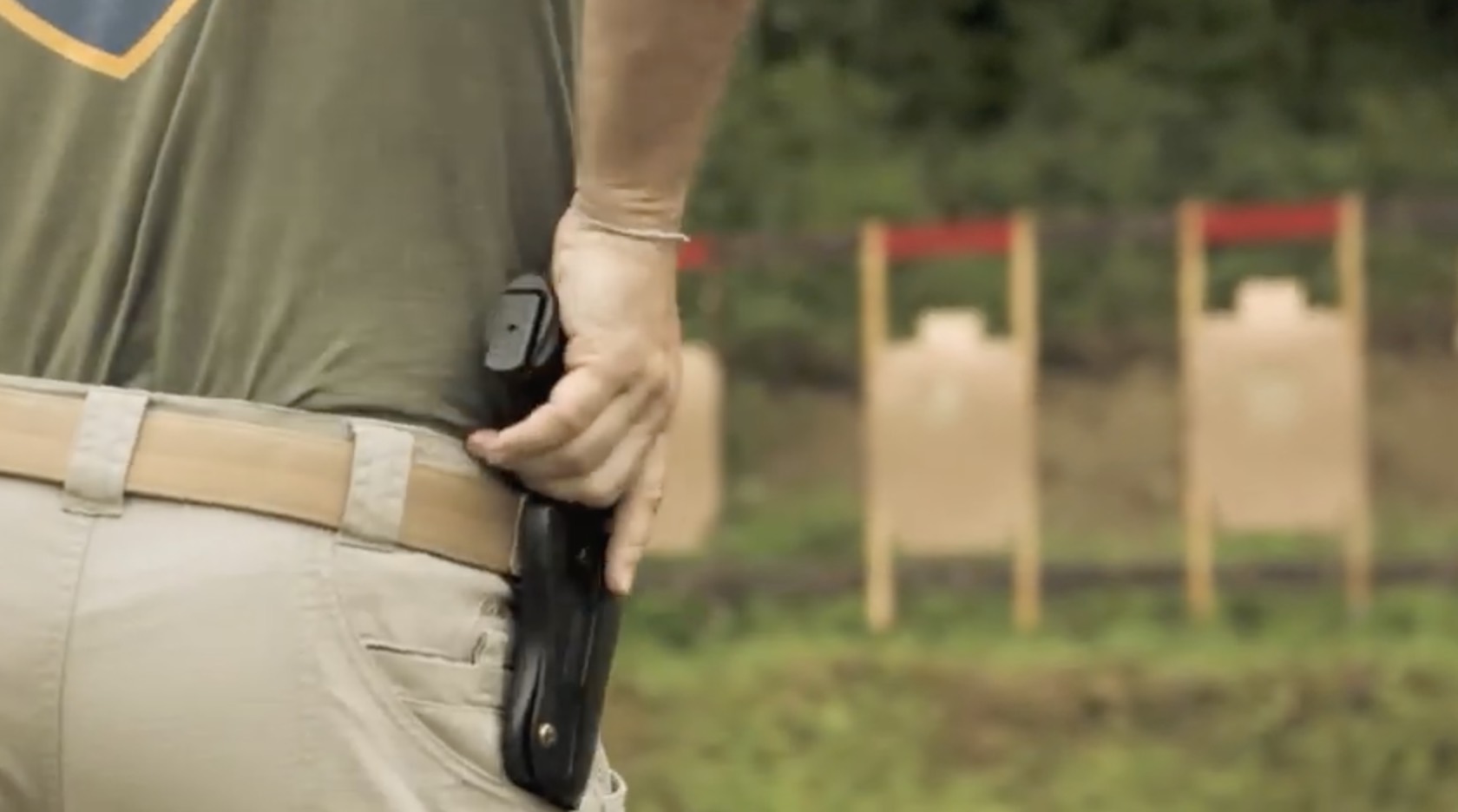
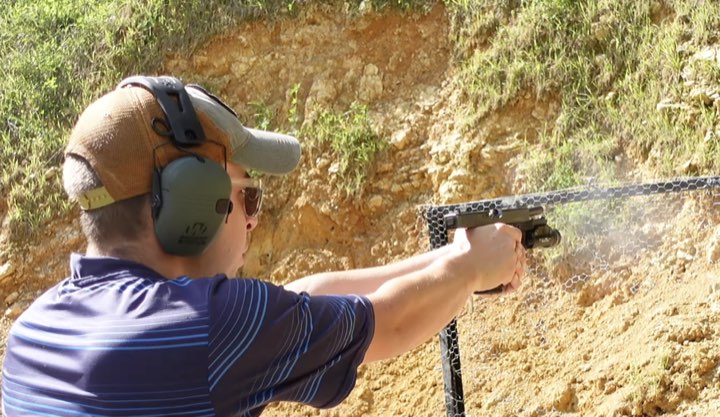
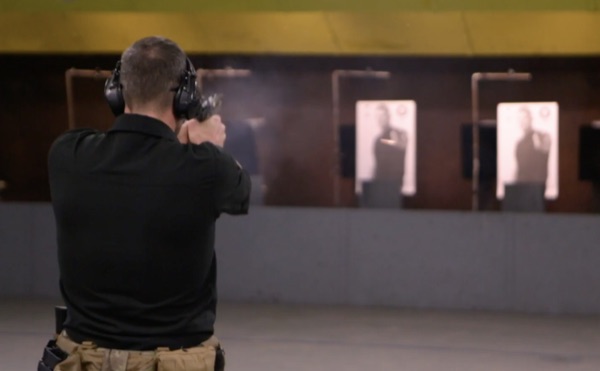
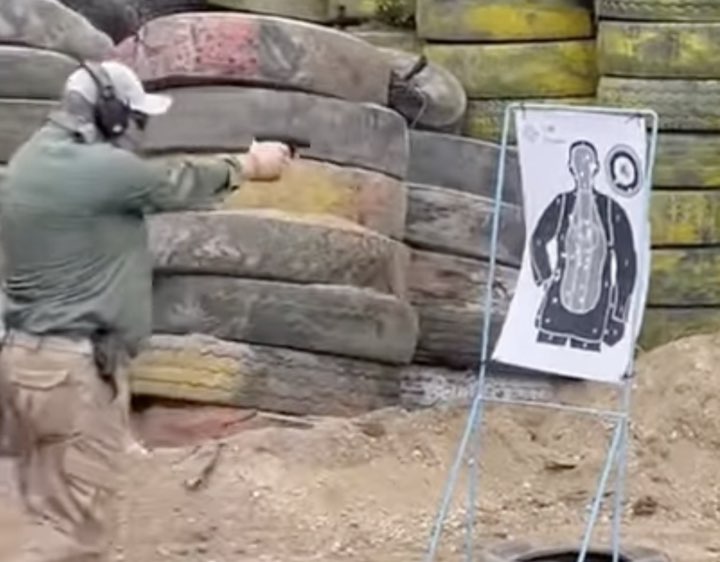
Practice these drills to build classifier-ready skills:
Classification FAQ
How many classifiers do I need to shoot? You need at least 4 valid classifier scores to receive an initial classification. Your best 4 recent classifiers determine your current class.
How long does classification last? Classifications can decay over time if you don't shoot classifiers. Active competitors should shoot 1-2 classifiers per month to maintain accurate classification.
Can I practice classifiers at my club? Yes! Many clubs allow members to set up classifier stages for practice. Check with your club's match director.
What's a "paper GM"? A shooter classified as Grand Master who only shoots specific classifiers well but struggles on full match stages. Focus on overall skill development, not just classifier gaming.
Ready to Improve Your Classification?
Start by identifying your weakest skill and practicing it with a par timer. Set target par times based on the classification you're working toward, and track your improvement over time.
Related Guides
- USPSA Divisions Explained – Choose the right division for your gear
- USPSA Carry Optics Rules – Equipment rules for CO division
- Training for USPSA – Complete training guide
- Shot Timer vs Par Timer – Which timer do you need?