
Dry Fire Training Guide 2026 | Drills, Tips & Practice Plans
Dry fire training is the most cost-effective way to improve your shooting. No ammo, no range fees, no travel—just you, your gun, and focused practice at home.
Why Dry Fire Works
Build Muscle Memory
Every rep with your gun builds neural pathways. Dry fire lets you do hundreds of reps per session, accelerating skill development far beyond what's practical with live fire.
Focus on Fundamentals
Without recoil and noise, you can isolate individual skills:
- Perfect your draw stroke
- Refine your trigger press
- Smooth out your reloads
No Cost Per Rep
Live fire costs $0.20-0.50+ per round. Dry fire costs nothing after initial setup. You can practice daily without budget constraints.
Practice Anytime
Dry fire at home, in your garage, or anywhere safe. No range hours, no travel time, no waiting for a lane.
Essential Dry Fire Safety
1. Unload Completely
- Remove the magazine
- Lock the slide back
- Visually AND physically verify the chamber is empty
- Check twice
2. Remove All Ammunition
Move all ammunition to a different room. No live rounds in your dry fire area—period.
3. Use a Safe Backstop
Aim at something that would safely stop a bullet: a concrete wall, a dedicated dry fire backstop, or a purpose-built target. Never assume your gun is unloaded.
4. Declare Your Session
Say out loud: "I am beginning dry fire practice. The gun is unloaded." This mental checkpoint helps prevent complacency.
5. End Definitively
When finished, say: "Dry fire practice is over." Don't handle the gun again until you've mentally transitioned back to "normal."
Dry Fire Drills
Dry Fire Equipment
Par Timer App
Essential for effective practice. A par timer gives you:
- Random start delay (realistic start conditions)
- Defined par time for each drill
- Audio feedback on timing
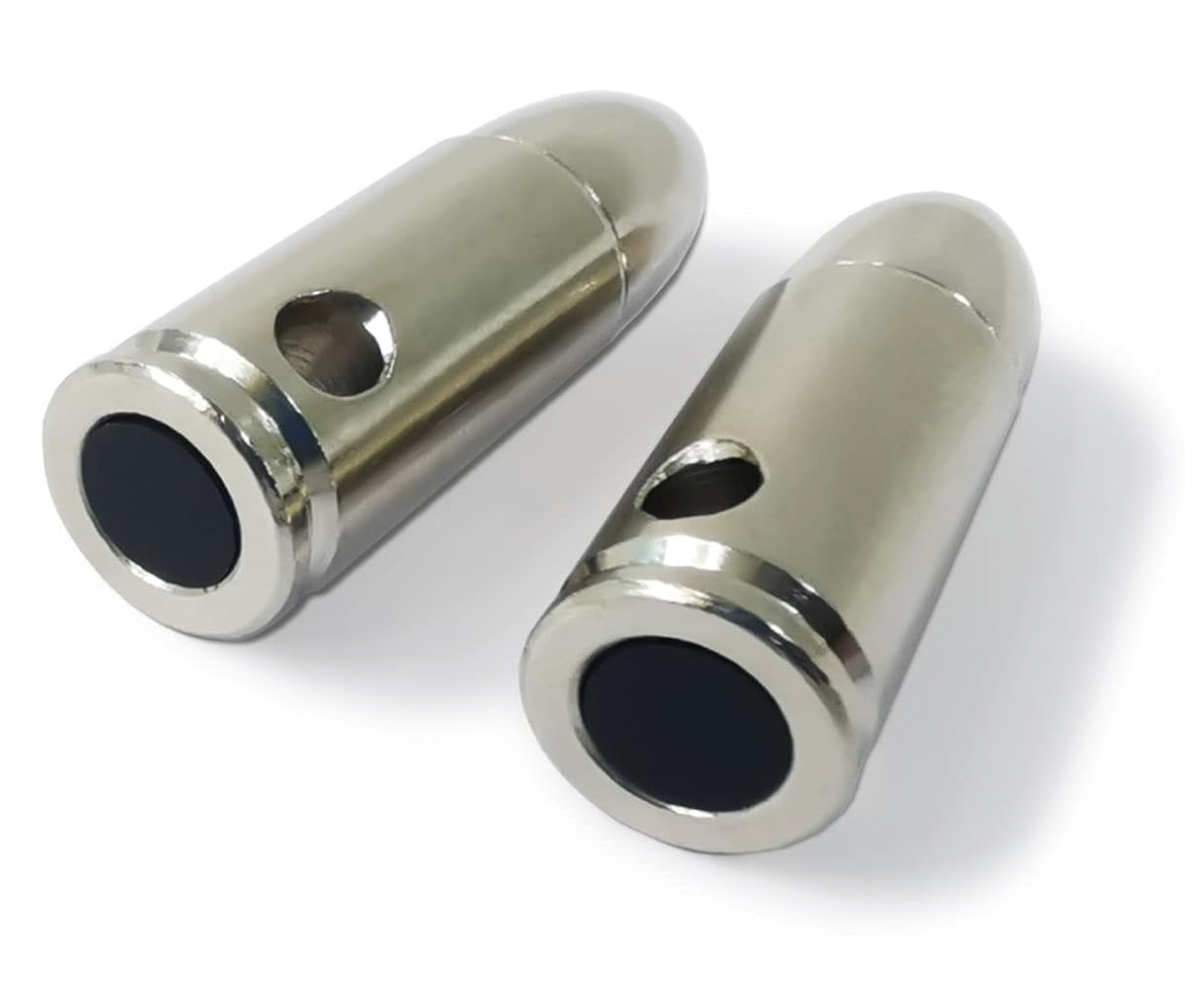
Snap Caps / Dummy Rounds
Plastic dummy rounds protect your firing pin and allow realistic magazine loading and reload practice.
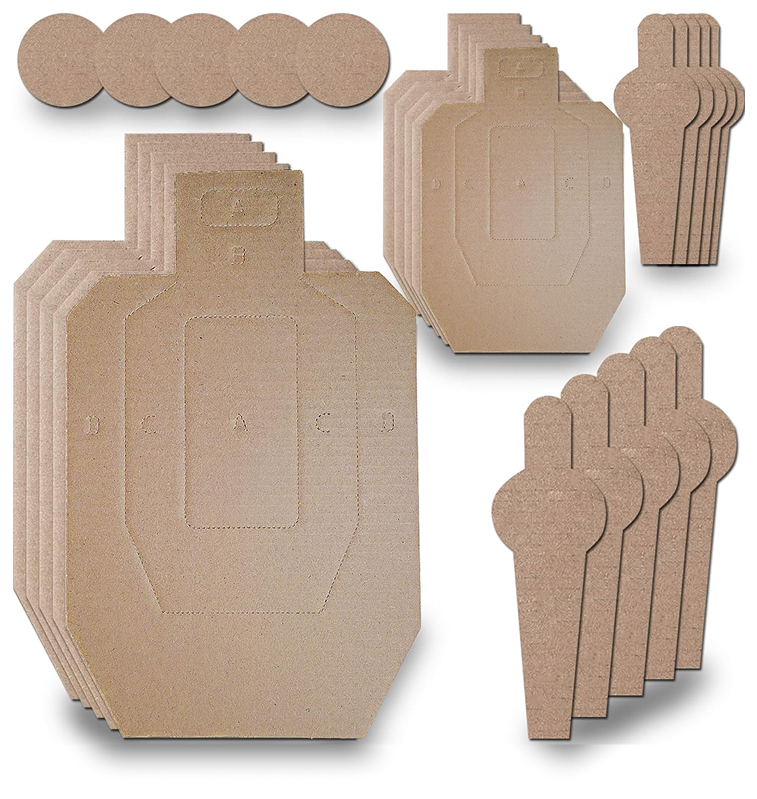
Dry Fire Targets
Scaled targets designed for indoor dry fire practice. Hang at realistic height for proper sight picture training.
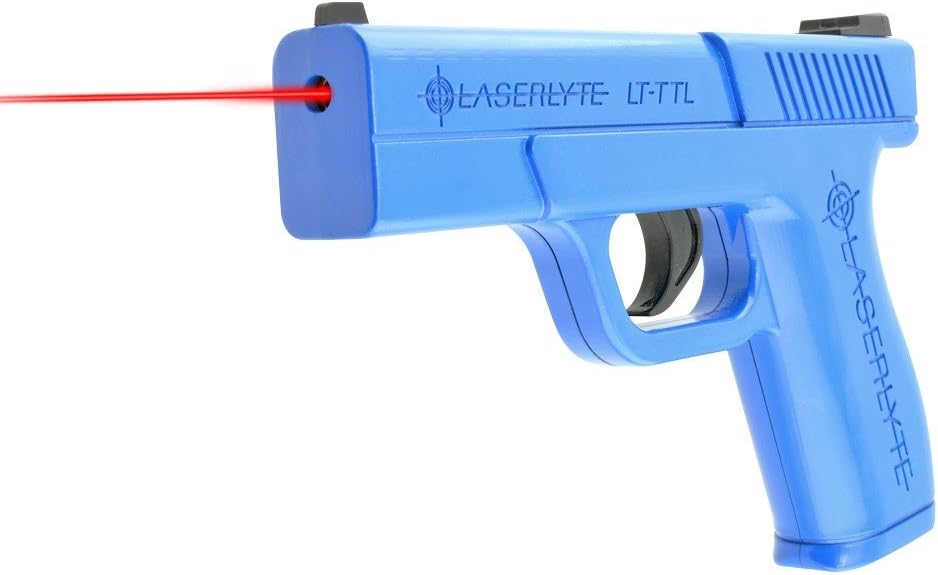
SIRT Pistol (Optional)
A training pistol with a laser that activates when you press the trigger. Shows exactly where you would have hit, but requires additional investment ($200-400).
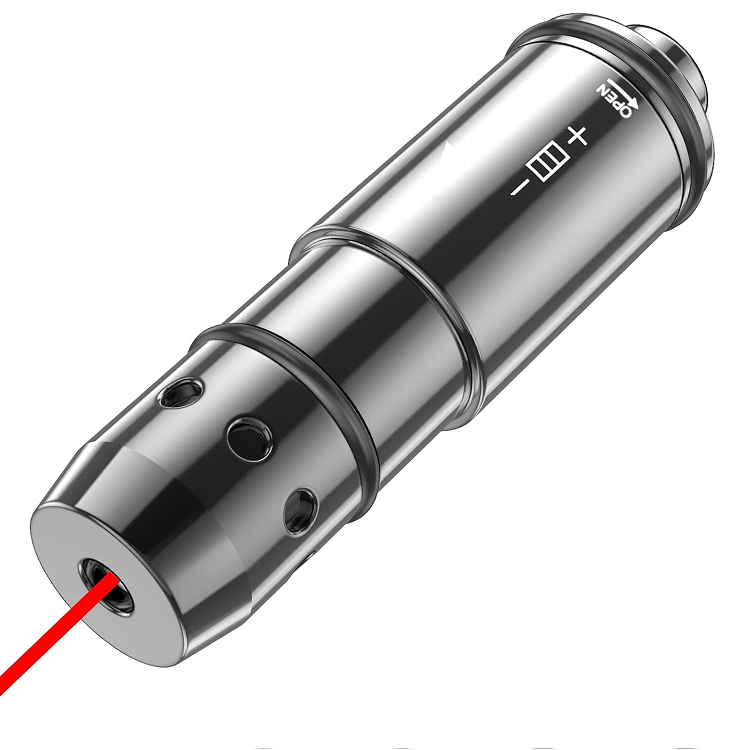
Laser Cartridge (Optional)
A laser that fits in your chamber and activates when the trigger is pressed. More affordable than SIRT, works with your actual gun.
Sample Dry Fire Practice Plans
15-Minute Daily Practice
- Safety check (1 min)
- Draw to first shot – 10 reps (5 min)
- Reloads – 10 reps (4 min)
- Trigger control drill – 10 presses (2 min)
- Draw to first shot – 5 reps (3 min)
30-Minute Focused Session
- Safety check (1 min)
- Draw to first shot – 20 reps (8 min)
- Standing reloads – 15 reps (6 min)
- Transitions – 10 reps across 3 targets (6 min)
- Position entries – 10 reps (5 min)
- Draw to first shot – 10 reps (4 min)
Competition Prep Session
- Safety check (1 min)
- Draw to first shot – par time at your target class (5 min)
- Draw, engage 2 targets, reload, engage 2 more (10 min)
- Movement: enter position, engage, exit to next position (10 min)
- Weak hand only draws and engagement (5 min)
- Full stage visualization – walk through an upcoming match stage (5 min)
Common Dry Fire Mistakes
1. No Defined Goals
Problem: Just "messing around" without specific objectives.
Fix: Every session should focus on specific drills with measurable par times.
2. Too Fast, Too Sloppy
Problem: Rushing through reps without proper form.
Fix: Start slow. Perfect reps at slower speed before increasing pace. Speed comes from efficiency, not rushing.
3. Skipping the Timer
Problem: Practicing without timing feedback.
Fix: Use a par timer for every drill. Without timing, you can't measure improvement.
4. Only Practicing Strengths
Problem: Doing what you're already good at.
Fix: Identify your weakest skill and spend 50% of practice time there.
5. Inconsistent Practice
Problem: 2-hour sessions once a month.
Fix: 15 minutes daily beats 2 hours weekly. Consistency builds muscle memory.
Dry Fire for Competition
USPSA/IDPA Stage Prep
Walk through upcoming stages in your living room:
- Visualize target positions
- Practice position entries and exits
- Time your planned reloads
- Identify potential problem areas
Classifier Practice
Break down classifiers into components and dry fire each:
- El Presidente: Turn and draw, transitions, standing reload
- Bill Drill: Draw and rapid target engagement
- Mozambique: Transition from body to head
Pre-Match Routine
The morning of a match:
- 10-15 draw and first shot reps
- 5 reload reps
- Mental run-through of first stage
This primes your nervous system without fatiguing you.
Tracking Progress
Dry fire improvement requires tracking. Record:
- Date
- Drill name
- Par time attempted
- Success rate (hits under par)
- Notes (what felt good/bad)
Over weeks and months, you'll see measurable improvement in your par times.
Get Started Today
You don't need expensive equipment to start dry fire training. You need:
- Your gun (unloaded, verified safe)
- A target
- A par timer app
- 15 minutes
Commit to daily practice and you'll see real improvement in your shooting—without spending a dime on ammunition.
Download Par Timer ProRelated Guides
- USPSA Classifier Guide – Par times for each classification
- Shot Timer vs Par Timer – Which timer do you need?
- Best Shot Timer Apps – Timer app comparison
- All Drills – Browse shooting drills with par times